
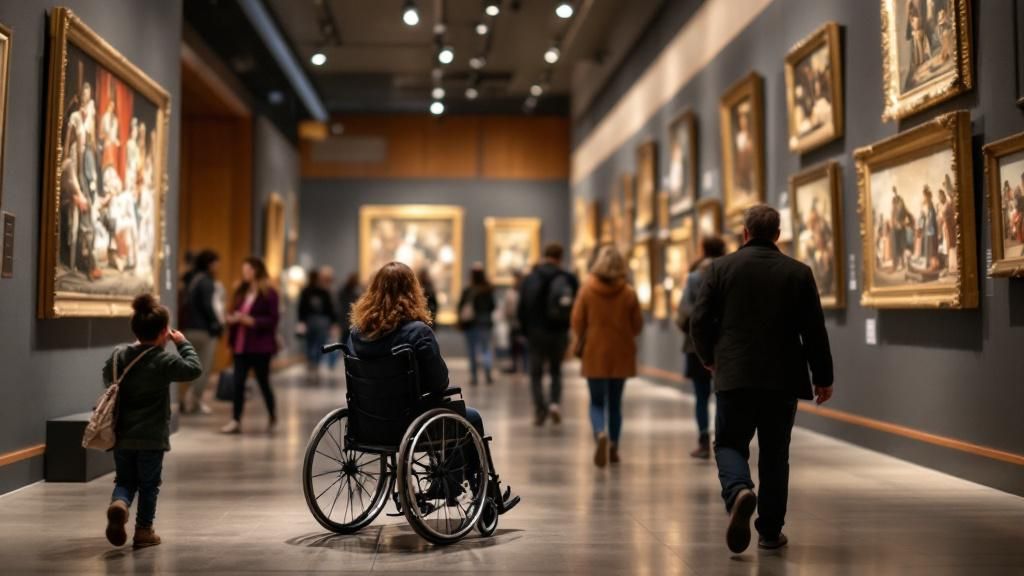
Britain’s major museums are undertaking a fundamental shift towards accessibility, acknowledging that cultural heritage should be open to everyone, regardless of physical ability or disability. From improved wheelchair accessibility and accessible sensory experiences to cutting-edge digital initiatives, these institutions are removing entrenched obstacles that have historically excluded disabled visitors. This article examines the pioneering projects redefining the museum landscape, considers the organisations driving this essential shift, and assesses how these programmes are reconceptualising what inclusive cultural experiences genuinely represent for audiences across the British Isles.
Physical Access Upgrades At Leading Institutions
Major museums across the United Kingdom have completed comprehensive renovations to enhance physical accessibility for disabled visitors. The British Museum, V&A Museum, and the National Gallery have invested considerably in adding ramps, lifts, and accessible facilities across their galleries. These improvements go further than basic wheelchair access, incorporating wider corridors, accessible facilities with changing areas, and designated rest areas strategically positioned throughout gallery spaces. Such infrastructure enhancements demonstrate a genuine commitment to guaranteeing that disabled visitors can move through museums with independence and comfortably whilst viewing collections without avoidable obstacles.
Beyond architectural modifications, institutions have emphasised convenient parking facilities and better directional guidance designed specifically for visitors with accessibility needs. Many museums now offer step-free access that avoid steps completely, allowing visitors to explore complete exhibition spaces without facing barriers. Staff training programmes have been implemented to assist visitors with disabilities, whilst adapted seating arrangements has been introduced within exhibition areas. These combined initiatives reflect a major transformation in institutional approach, acknowledging that physical accessibility is crucial for developing authentically accessible environments where all visitors can interact substantially with the UK’s significant historical collections.
Technological Advancement and Web-Based Access
British museums are leveraging modern technological solutions to expand access to their archives, recognising that digital platforms can reach disabled visitors who may encounter physical obstacles to visiting on site. VR installations, high-resolution online collections, and engaging online displays now permit individuals with physical disabilities, visual impairments, and other disabilities to discover cultural treasures from home. These initiatives work alongside on-site access enhancements, confirming that technical progress serves as a meaningful tool rather than a mere supplementary offering.
Major institutions have allocated considerable funds in user-friendly web platforms, introducing features such as resizable font options, descriptive audio, and keyboard-based navigation systems. Museums are also producing custom-built apps and virtual tours purpose-built for deaf and hard of hearing visitors, providing detailed subtitles and British Sign Language interpretation. By placing priority on web accessibility guidelines, British museums are becoming recognised as leaders in equitable cultural participation, showing that creative solutions can substantially improve engagement across all audiences.
Specialist Programmes and Assistance Services
British museums are developing tailored initiatives deliberately created to accommodate the varying requirements of disabled visitors. These offerings feature dedicated sensory sessions providing reduced visitor numbers, dimmed lighting adjustments, and reduced sound levels for those with autism or sensory sensitivities. Museums are also recruiting disability specialists qualified in disability awareness and inclusive design standards. Many venues now offer customised tour experiences who modify their presentations to cater to various communication styles and intellectual needs, confirming every visitor receives meaningful engagement with collections.
Support services have grown significantly, with museums providing accessible facilities including adapted restrooms, quiet zones, and dedicated peaceful areas for visitors needing breaks. Guide dogs are permitted in all exhibition spaces, and staff members receive comprehensive training to support visitors with mobility impairments, visual or hearing loss, and cognitive support needs. Museums collaborate closely with disability organisations to create initiatives based on authentic visitor input. Pre-visit booking options enable guests to organise extra assistance, whilst team presence ensures tailored support throughout visits, fundamentally transforming the museum experience for visitors with disabilities.
Looking ahead, British museums remain focused on sustained progress, channelling resources into emerging technologies and accessible design improvements. Regular consultation with disability organisations confirms initiatives remain responsive and effective. These extensive tailored services demonstrate that accessibility transcends physical modifications, including attentive, user-focused provision that truly embrace all visitors into British heritage organisations.
